In today's fast-changing business environment, organisations that learn faster than their competitors gain a significant advantage. Yet many still rely on traditional feedback processes focused mainly on past performance. The strongest organisations combine feedback and feedforward to build cultures of continuous learning, adaptability and improvement.
Learning from the Past and Preparing for the Future
Feedback helps people understand what happened, what worked, what did not and what lessons can be applied. Effective feedback strengthens self-awareness and performance by focusing on specific behaviours and actions rather than personal characteristics. Research by Kluger and DeNisi shows feedback is most effective when it directs attention towards tasks and improvement.
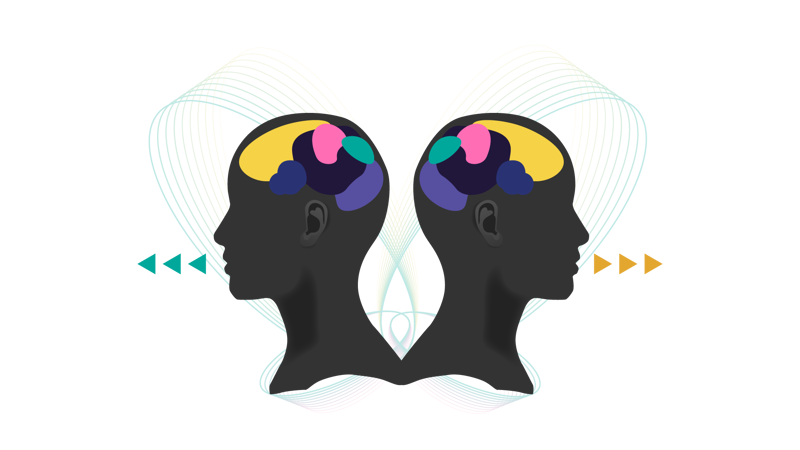
Feedforward complements feedback by focusing on future success. Instead of asking, “What went wrong?”, it asks, “What should I do next?” and “What behaviours will have the greatest positive impact?” Research by Budworth, Latham and Manroop found that future-focused discussions can improve subsequent performance by helping people apply behaviours linked to success.
Feedback explains performance. Feedforward improves future performance.
Why Timing Matters
Feedback is most valuable when it is timely, specific, supportive and actionable. It works best soon after presentations, customer meetings, leadership interventions, project milestones or challenging conversations, while experience is still fresh.
Feedforward is most useful before key performance moments such as strategic projects, promotions, leadership meetings, customer presentations or significant change initiatives. Looking back creates understanding; looking forward creates readiness.
Feedback and Feedforward Drive Agility and Innovation
Agility is, at heart, a learning capability. Agile organisations create short learning cycles that allow teams to test, learn, adapt and improve continuously. Rather than waiting until the end of a project, they use regular feedback loops to evaluate progress and feedforward conversations to shape future action.
The difference can be illustrated simply:
Traditional approach: Plan → Execute → Review
Agile approach: Plan → Act → Feedback → Adapt → Repeat
By shortening learning cycles, organisations respond better to uncertainty, improve decisions and identify opportunities faster. Research into organisational adaptation highlights the value of iterative learning, frequent testing and continuous adjustment in accelerating innovation.
Feedback fuels learning. Feedforward fuels adaptation. Adaptation enables innovation.
Turning Organisational Values into Everyday Behaviours
Most organisations define values such as collaboration, accountability, innovation, customer focus, inclusion and continuous improvement. The challenge is turning these aspirations into consistent day-to-day behaviour.
Feedback reinforces behaviours that demonstrate organisational values in action. Feedforward helps individuals understand how to demonstrate those values more effectively in future situations. Without these conversations, values risk remaining statements on walls or websites rather than lived experiences at work.
The Leadership Capability Challenge
Whilst most organisations recognise the importance of feedback, fewer invest in developing leaders who can deliver it well.
Giving meaningful feedback and asking effective feedforward questions are learned skills. Poorly delivered feedback can create defensiveness and reduce trust. Effective leaders create environments where people feel safe to speak openly, challenge ideas, admit mistakes and seek input.
Research by Edmondson highlights the importance of psychological safety in enabling team learning, candid dialogue and improved performance.
Leaders therefore need more than encouragement to “give more feedback”. They need practical development in coaching, listening, questioning, behavioural observation and feedforward techniques, with opportunities to practise difficult conversations and separate observable behaviour from personal judgement.
Conclusion
Feedback and feedforward are complementary parts of a continuous learning culture. Feedback helps people learn from experience; feedforward helps them apply that learning to future challenges. Together, they strengthen performance, agility, innovation and the everyday behaviours that bring organisational values to life.
The APS Trusted Leader Masterclass develops practical, evidence-based feedback, communication and coaching skills, while the APS Psychological Safety & Engagement (PSE) Survey provides insight into the team climate that enables people to speak up, learn and contribute. Together, they help organisations build the leadership capability and culture required for continuous learning and sustainable success.