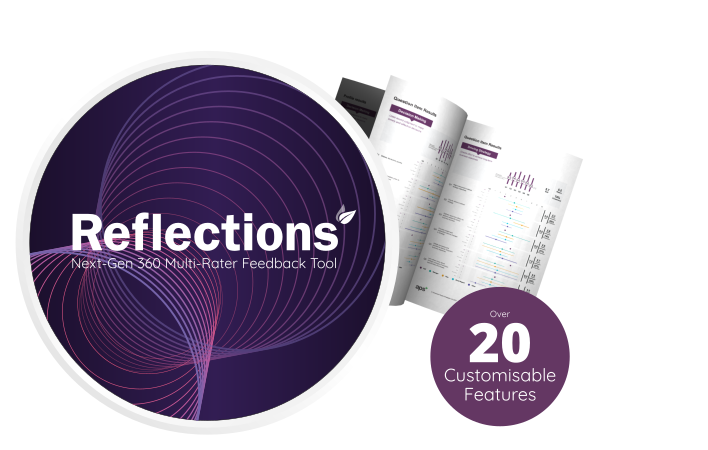
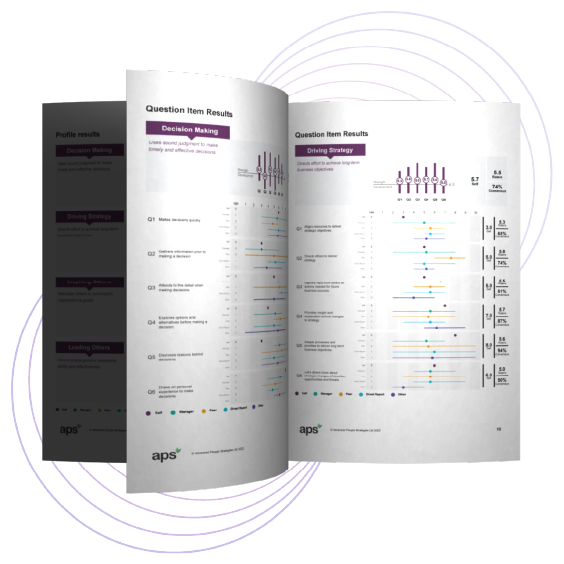
Multiple studies confirm that a one-size-fits-all approach to leadership feedback is commercially limiting: effectiveness, engagement, and change are amplified when leaders receive insights that are relevant to their specific role, reflect their organisational reality, and speak to the precise behaviours and competencies that drive business performance in their environment. 360 customisation enables measurement of those differentiators—rather than generic or assumed “best practices”—while making the process meaningful and relatable for participants, increasing buy-in, trust, and candour.
Evidence further indicates that the long-term value of 360-degree feedback hinges on how deeply the process can be embedded in real business conversations, learning cultures, and talent systems—requiring flexibility to adapt to evolving priorities, team structures, and strategic goals. Tools that allow tailoring for language, reporting, and focus areas enable organisations to align feedback with culture, accelerate individual adoption, and drive targeted development. Risks such as disengagement, survey fatigue, or missed impact often arise when assessments are too rigid, lack relevance, or fail to provide actionable insights aligned with current challenges.