Leadership, Talent & 360 Specialists | Hogan Assessments Authorised Distributor UK & Ireland

Hogan Judgement (JUD)

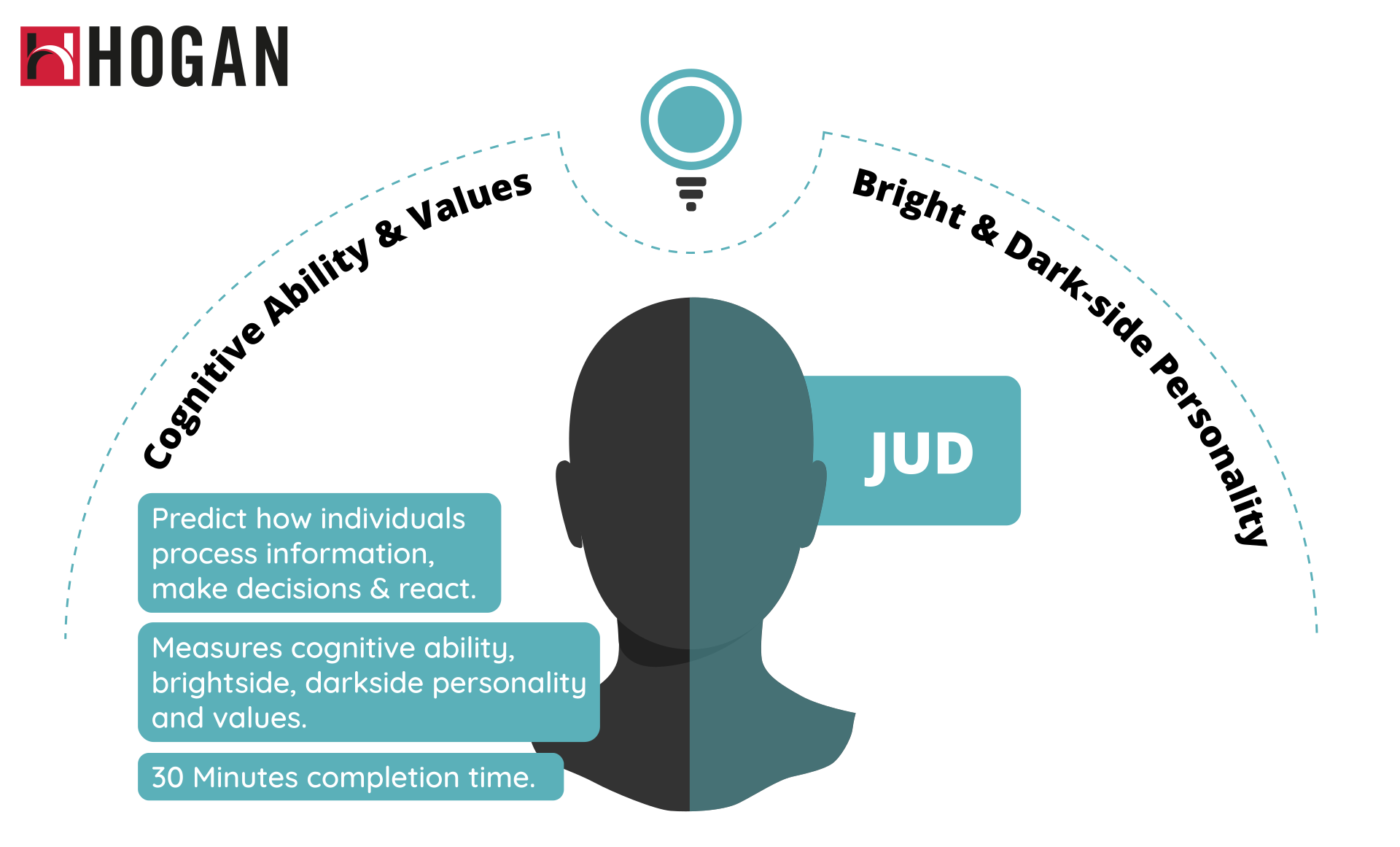
A combination of cognitive ability, bright and dark-side personality and values. Hogan Judgement assesses a person's decision-making style by evaluating how they process information, make decisions, and typically react to feedback about their decisions.

media-content

About Hogan Judgement

The Hogan Judgement Assessment (JUD) Based on evolutionary psychology and developed to complement Hogan’s broader personality framework, the JUD helps predict people's decision making style.

Background

In senior leadership roles, the ability to make sound decisions and exercise good judgement is critical for organisational success. The Hogan Judgement tool is designed to provide insight into how individuals approach decision-making, process information, and learn from experience. Without a clear understanding of these judgement-related behaviours, organisations may struggle to align leadership talent with strategic goals, potentially leading to inefficiencies, poor decision outcomes, and challenges in succession planning.

Unrecognised patterns in judgement can also affect team dynamics, engagement, and the overall culture of the organisation. These issues may have a direct impact on diversity, inclusion, and long-term performance, as leaders who lack self-awareness in their decision-making style may inadvertently reinforce biases or hinder innovation.

Insights

The Hogan Judgement tool offers a structured approach to understanding how leaders make decisions under pressure, adapt to new information, and learn from both successes and setbacks.  By providing a detailed profile of an individual’s judgement style, the tool supports more informed talent discussions, leadership development initiatives, and succession planning processes.

Organisations using the Hogan Judgement tool often report:

  • Improved alignment between leadership decision-making and organisational strategy.

  • Enhanced self-awareness among leaders regarding their decision-making strengths and potential blind spots.

  • A common language for discussing judgement and decision-making in development conversations.

  • Greater transparency and consistency in leadership selection and development, supporting a robust talent pipeline.

Decision-Making Styles

Although leaders’ decisions determine the fate of their organisations, on average, half of their decisions will be wrong. Therefore, good judgement involves not only making good decisions, but also responding appropriately to bad ones.

Processing Information

How people process information:


Verbal Information vs Numerical Information.

Decision-Making Approaches

How people approach decisions:


  • Threat Avoidance vs Reward Seeking.

  • Tactical Thinking vs Strategic Thinking.

  • Data-Driven Decisions vs Intuitive Decisions.

Reactions to Feedback

How people react to feedback about their decisions:


  • Defensive vs Cool-Headed.

  • Denial vs Acceptance.

  • Superficial Engagement vs Genuine Engagement.

apsHoganAD.svg
judE-learning.svg

Judgement Certification is a free on-demand module available in your Hogan Portal once you have completed your Hogan Personality Tools Certification.  If you are new to Hogan please get in touch.

? ? !